
Understanding Vietnamese wedding customs the wedding consists of several intricate and beautiful rituals that reflect deep cultural values. From the initial proposal to the grand wedding day, each step is imbued with tradition, symbolism, and the heartfelt blessings of family and community. This guide explores the essential components of a traditional Vietnamese wedding, offering insights into its enduring charm and significance.
Understanding Vietnamese Wedding Customs An Overview of Traditions
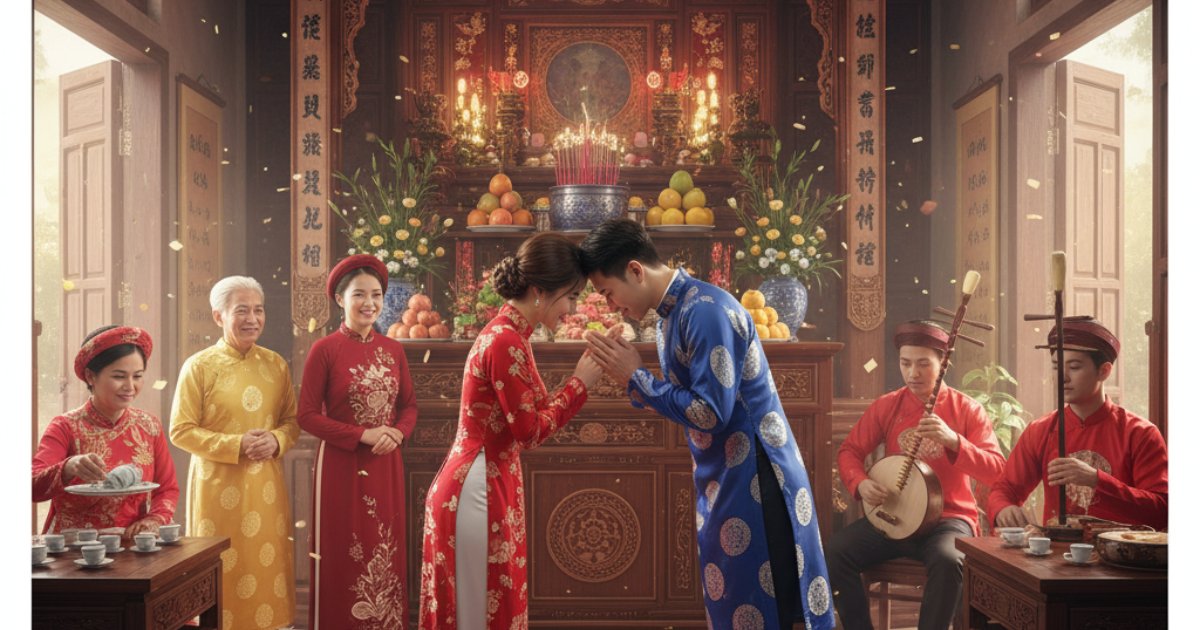
Vietnamese culture places immense importance on family and tradition, and nowhere is this more evident than in its wedding ceremonies. A Vietnamese wedding is not just a union of two individuals but a joining of two families, often involving several distinct stages that unfold over days, weeks, or even months. These traditional Vietnamese wedding customs are a testament to the country’s rich heritage, blending ancient practices with personal touches. The journey begins long before the actual wedding day, with each phase meticulously planned and executed to ensure harmony, prosperity, and blessings for the couple’s future.
The Evolution of Vietnamese Wedding Traditions
While the core elements of Vietnamese weddings remain consistent, certain aspects have evolved over time. Historically, weddings were often arranged, with families playing a pivotal role in selecting partners. Today, love matches are prevalent, yet family approval and participation in the traditional customs remain paramount. Modern couples often seek to balance age-old rituals with contemporary preferences, creating a celebration that honors both past and present. This blend ensures that the essence of Vietnamese wedding customs continues to thrive.
Initial Steps Engagement and Proposal Ceremonies in Vietnamese Wedding Customs
Before the main wedding celebration, there are several crucial preliminary ceremonies that form the foundation of Vietnamese wedding customs. These steps are vital for formally announcing the couple’s intention to marry and securing the blessings of both families. The proper execution of these rituals is believed to bring good fortune and ensure a smooth path to marriage. Indeed, for a Vietnamese wedding, the journey itself consists of several significant events.
The Dạm Ngõ Ceremony The First Meeting
The Dạm Ngõ, or the “initial visit” or “proposal visit,” is the first formal meeting where the groom’s family visits the bride’s family to formally ask for permission for their children to date or to express their intention for marriage. This is a relatively informal gathering compared to subsequent events but is crucial for establishing initial rapport and understanding between the families. Gifts are exchanged, often betel and areca nuts, symbolizing respect and a wish for a lasting union.
The Ăn Hỏi Ceremony The Formal Engagement
The Ăn Hỏi, or “engagement ceremony,” is a much more elaborate event and is often considered the most important part of the pre-wedding rituals. During this ceremony, the groom’s family brings a procession of elaborately decorated trays filled with gifts to the bride’s home. These gifts typically include betel and areca, fruits, cakes, wine, tea, and roasted pig, each symbolizing wishes for prosperity, fertility, and happiness. The ceremony culminates in the formal announcement of the engagement, with the couple receiving blessings from their ancestors and elders. It is at this stage that the commitment is publicly acknowledged, and the wedding date is often discussed or finalized.
The Grand Celebration The Main Wedding Day and Its Rituals
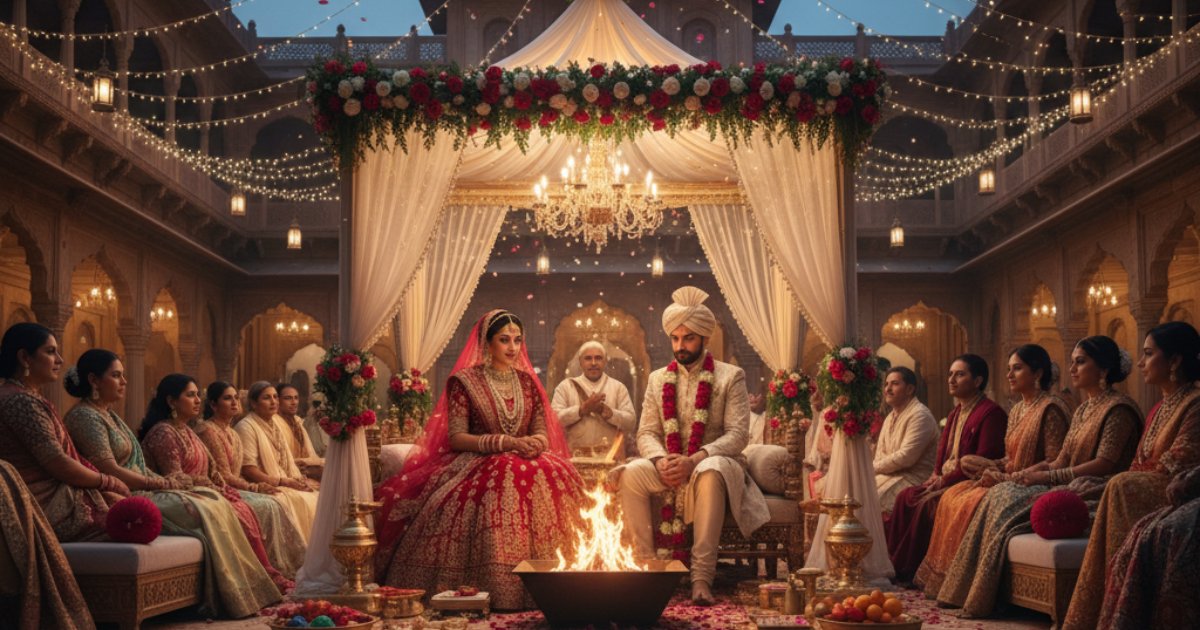
The main wedding day, or Lễ Cưới, is the culmination of all the preceding preparations and is when the couple officially becomes husband and wife. This day is filled with joy, elaborate ceremonies, and heartfelt traditions that signify the union and the beginning of their new life together. The wedding consists of several key rituals, each holding deep cultural and familial importance.
The Groom’s Procession to the Bride’s House
On the wedding day, the groom’s family, accompanied by friends and relatives, forms a procession to the bride’s house. The procession is often led by a master of ceremonies and includes gift bearers carrying trays similar to those in the Ăn Hỏi ceremony, but often even more elaborate. This procession is a grand display, sometimes featuring traditional music and vibrant attire, marking the joyous journey to claim the bride.
The Ancestor Worship Ceremony at the Bride’s Home
Upon arrival, the groom and his family are welcomed by the bride’s family. A significant part of the ceremony involves the couple paying respects to the bride’s ancestors at her family altar. This ritual, called Lễ Gia Tiên, is a deeply spiritual moment where the couple seeks blessings from their forebears for a happy and prosperous marriage. Tea is often served, and vows are exchanged in front of the families.
The Journey to the Groom’s House and Ancestor Worship
After the ceremony at the bride’s home, the bride officially leaves her family to join her husband’s family. This is an emotional moment, symbolizing her transition into a new household. The bridal procession then travels to the groom’s house, where a similar ancestor worship ceremony takes place at his family altar. This signifies the bride’s acceptance into her new family and her commitment to honoring her husband’s lineage.
Symbolism and Significance in Vietnamese Wedding Customs
Every element within Vietnamese wedding customs is rich with symbolism, reflecting the cultural values of respect, family harmony, and prosperity. Understanding these underlying meanings enriches the experience and highlights the depth of Vietnamese traditions. The wedding consists of several symbolic gestures that ensure a blessed union.
Colors and Attire
Red and gold are predominant colors in Vietnamese weddings, symbolizing luck, prosperity, and happiness. The bride traditionally wears an áo dài, a beautifully embroidered traditional Vietnamese dress, often in red or white. The groom may also wear a matching áo dài or a Western suit, blending tradition with modernity. These garments are not merely clothing but represent cultural identity and the solemnity of the occasion.
Gifts and Offerings
The gifts exchanged during the Dạm Ngõ and Ăn Hỏi ceremonies carry specific meanings. Betel and areca nuts symbolize the inseparable bond of marriage. Fruits signify fertility and abundance, while cakes (such as Bánh Phu Thê – husband and wife cake) represent the sweet and enduring love between the couple. These offerings are not just material items but heartfelt wishes for the couple’s future.
Modern Trends and Preserving Vietnamese Wedding Customs
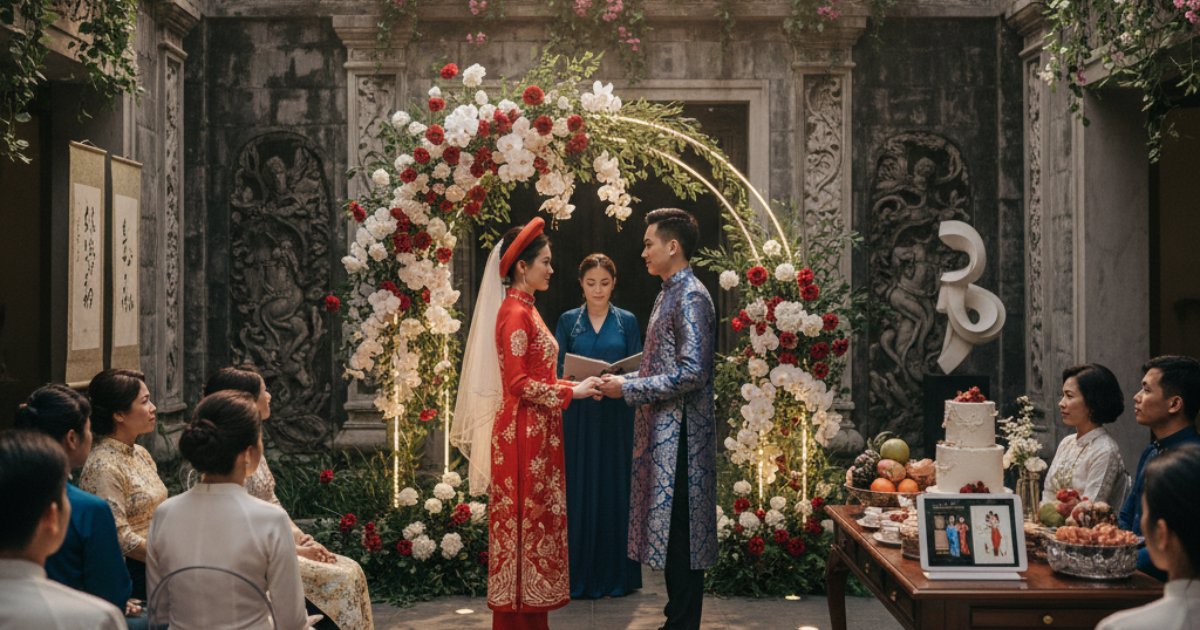
In contemporary Vietnam and among the Vietnamese diaspora, there is a continuous effort to adapt and preserve Vietnamese wedding customs. While many couples embrace Western wedding elements, the core traditional rituals remain highly valued, reflecting a deep respect for heritage. A modern Vietnamese wedding often consists of several blended customs, creating a unique celebration.
Blending Tradition with Modernity
Many couples choose to incorporate both traditional Vietnamese ceremonies and a Western-style reception. This might involve a morning traditional ceremony at home, followed by an evening banquet at a hotel or event venue. Brides might wear an áo dài for the traditional rituals and then change into a white wedding gown for the reception. This approach allows couples to honor their roots while also celebrating in a contemporary fashion.
The Role of Family in Modern Weddings
Even with modern adaptations, the involvement of family remains central. Elders continue to play a crucial role in advising on customs, preparing traditional offerings, and bestowing blessings. This strong family bond ensures that the essence of Vietnamese wedding customs is passed down through generations, maintaining its cultural significance and emotional depth for future couples.
In conclusion, Vietnamese wedding customs the wedding consists of several beautiful, meaningful, and intricate stages. Each ceremony, from the initial Dạm Ngõ to the grand Lễ Cưới, is a tapestry woven with tradition, symbolism, and deep family values. These customs not only celebrate the union of two individuals but also reinforce the bonds between families and preserve a rich cultural heritage. As couples navigate their journey, these time-honored traditions serve as a foundation for a prosperous and harmonious future.
Contact Cees Bridal
Hotline/Zalo: +84 378 220 630
Website: https://ceesbridal.com/
Fanpage: https://www.facebook.com/CeesBridal/
Address: 16/8 Dang Van Ngu, Phu Nhuan District, Ho Chi Minh City, Vietnam
Custom Wedding Dress Design: Custom Wedding Dress Design At CeesBridal is a professional service for brides who want a unique and perfectly fitted gown. CeesBridal specializes in Vietnamese bridal fashion, offering elegant and detailed dresses for both local and international customers.
Custom Wedding Dress Design At CeesBridal is a professional service for brides who want a unique and perfectly fitted gown. CeesBridal specializes in Vietnamese bridal fashion, offering elegant and detailed dresses for both local and international customers.
