
Exploring Vietnamese Wedding Customs offers a fascinating glimpse into a rich cultural heritage. These traditions, deeply rooted in history and family values, are celebrated with unique rituals and vibrant symbolism, creating unforgettable moments for couples and their families. This guide provides a comprehensive look into the beautiful practices that define a traditional Vietnamese wedding.
Understanding the Essence of Vietnamese Wedding Customs
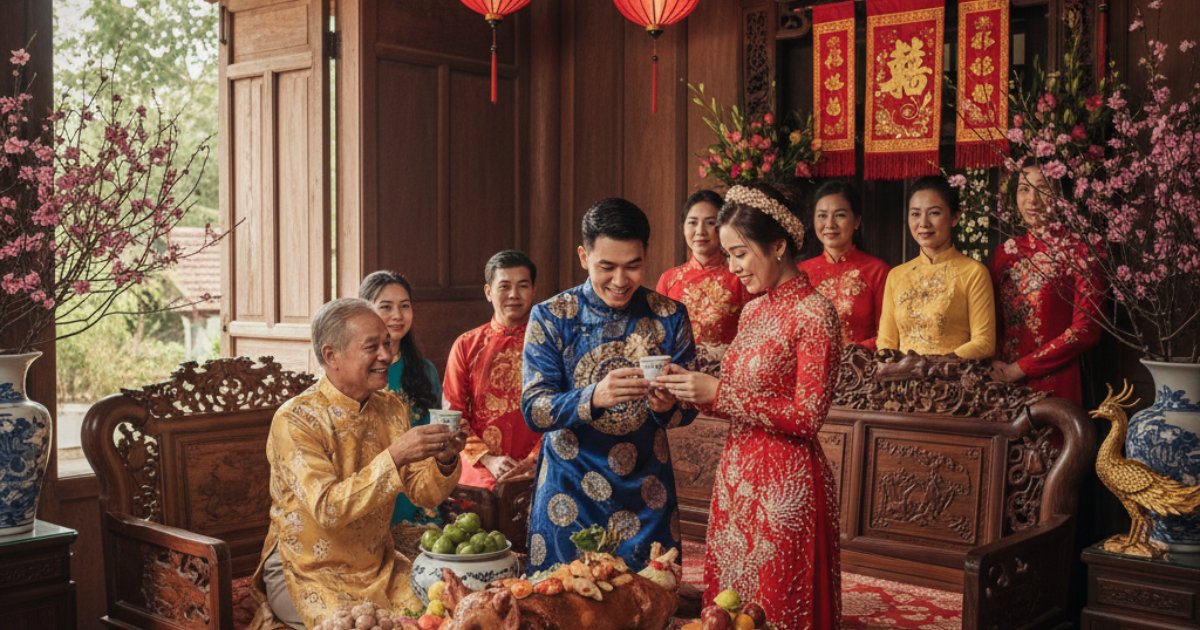
Vietnamese wedding customs are a profound expression of cultural identity, family honor, and community spirit. They are not merely events but a series of meaningful rituals that symbolize the union of two individuals and two families. Each step, from the initial proposal to the final reception, carries deep significance, reflecting the spiritual and social values of Vietnamese society. These customs emphasize respect for elders, gratitude towards ancestors, and the hope for a prosperous future for the newlywed couple. Understanding these foundational aspects is key to appreciating the beauty and depth of a Vietnamese wedding.
The Role of Family in Vietnamese Weddings
Family plays an indispensable role in every aspect of Vietnamese wedding customs. Marriages are traditionally seen as the union of two families, not just two individuals. Parents and elders are central figures, offering blessings, guidance, and active participation in all ceremonies. Their approval and involvement are paramount, ensuring the new couple receives the full support and wisdom of their lineage. This strong emphasis on family fosters a sense of collective responsibility and shared joy throughout the wedding preparations and celebrations.
Key Elements of Traditional Vietnamese Wedding Customs
Traditional Vietnamese wedding customs encompass several key elements. These include the formal proposal, the engagement ceremony, the procession to the bride’s home, the tea and ancestor worship ceremonies, and the wedding reception. Each element is meticulously planned and executed, often involving specific attire, offerings, and prayers. These practices ensure that the wedding adheres to time-honored traditions while also allowing for personal touches that reflect the couple’s unique story. The blend of ancient rituals with contemporary interpretations makes Vietnamese weddings truly special.
The Engagement Ceremony Le Dinh Hon
The Le Dinh Hon, or engagement ceremony, is a crucial preliminary step in Vietnamese wedding customs. This formal event signifies the official agreement between both families for the marriage to proceed. It is typically held at the bride’s home, where the groom’s family brings an array of meticulously prepared gifts to present to the bride’s family. This ceremony is a public declaration of the impending union and a display of mutual respect and commitment between the two families.
The Significance of Gifts
During the Le Dinh Hon, gifts are presented in elaborately decorated lacquer boxes, known as “mâm quả.” These gifts usually include betel leaves and areca nuts, fruits, cakes, wine, tea, and sometimes jewelry for the bride. Each item holds symbolic meaning, representing prosperity, fertility, and happiness. The exchange of these gifts is not merely a formality but a gesture of goodwill and a promise of future harmony and support between the families. These offerings are central to the integrity of Vietnamese wedding customs.
Formalizing the Union
Following the presentation and acceptance of gifts, the families will officially discuss and agree upon the wedding date. This formalization of the union is a significant moment, often marked by a small feast shared by both families. The Le Dinh Hon solidifies the bond between the two households and sets the stage for the grander wedding ceremony. It is a time for both families to get to know each other better and to begin planning the future celebrations in accordance with traditional Vietnamese wedding customs.
The Wedding Ceremony Le Cuoi
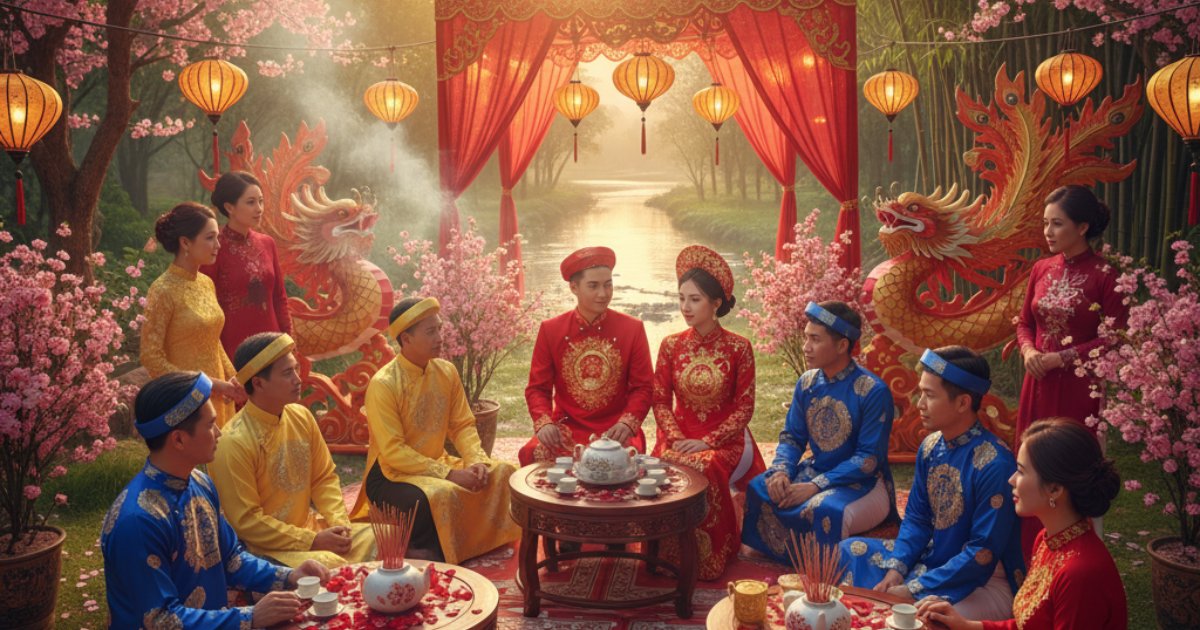
The Le Cuoi, the actual wedding ceremony, is the culmination of all preparations and is arguably the most vibrant part of Vietnamese wedding customs. It traditionally involves a procession from the groom’s house to the bride’s house, where a series of rituals take place before the couple returns to the groom’s home. This ceremony is rich in symbolism, showcasing the deep respect for ancestors and the desire for a blessed marriage. It is a public celebration of love and commitment, witnessed by family and friends.
The Ancestor Altar Rituals
A pivotal moment in the Le Cuoi is the ancestor altar ritual. At the bride’s home, the couple pays respects to her ancestors, seeking their blessings for a happy marriage. The groom then escorts the bride to his home, where they repeat the ritual at his family’s ancestral altar. This act underscores the importance of filial piety and continuity within Vietnamese culture. It connects the couple to their heritage and signifies their acceptance into each other’s families, a cornerstone of Vietnamese wedding customs.
The Tea Ceremony and Family Blessings
Another central ritual is the tea ceremony, where the bride and groom serve tea to their parents, grandparents, and other elders from both families. In return, the elders offer blessings, advice, and often jewelry or money as gifts to the couple. This intimate ceremony is a beautiful display of respect and gratitude, strengthening family bonds. It is a deeply personal and emotional part of the Vietnamese wedding customs, fostering a sense of warmth and unity.
Symbolism and Attire in Vietnamese Weddings
Symbolism and traditional attire are integral to Vietnamese wedding customs, adding layers of meaning and visual splendor to the celebrations. Every detail, from the colors chosen to the designs on the garments, tells a story of hope, prosperity, and enduring love. These elements are carefully selected to honor tradition while also reflecting the unique style of the couple.
The Elegance of the Ao Dai
The traditional Vietnamese bridal gown, the Ao Dai, is a masterpiece of elegance and cultural heritage. Brides typically wear a red Ao Dai during the engagement and morning wedding ceremonies, symbolizing luck, happiness,
Thông tin liên hệ Cees Bridal Hotline/Zalo: +84 378 220 630 Website: https://ceesbridal.com/ Fanpage: https://www.facebook.com/CeesBridal/ Địa chỉ: 16/8 Dang Van Ngu, Phu Nhuan District, Ho Chi Minh City, Vietnam

Note that the article must be written 100 percent in English. Keywords must be capitalized appropriately, for example Vietnamese. The main and secondary keywords must account for at least 1 percent of the total word count, which is important. Priority should be given to placing the main and secondary keywords in the H2 headings. Keywords must be included naturally and meaningfully in the content, without being forced. The article should have about 5 to 6 H2 headings. The remaining sections should use H3 subheadings. Headings must be clear and easy to understand, and they must not use colons. In the content, do not use figurative expressions in quotation marks. Use simple and clear vocabulary commonly found in newspapers and books. Do not create metaphors or unclear expressions that may confuse readers.
Custom Wedding Dress Design At CeesBridal is a professional service for brides who want a unique and perfectly fitted gown. CeesBridal specializes in Vietnamese bridal fashion, offering elegant and detailed dresses for both local and international customers.
Custom Wedding Dress Design At CeesBridal is a professional service for brides who want a unique and perfectly fitted gown. CeesBridal specializes in Vietnamese bridal fashion, offering elegant and detailed dresses for both local and international customers.
