
When planning or attending a traditional celebration, it is essential to understand that a Vietnamese wedding consists of several ceremonies, each rich in cultural significance and steeped in history. These distinct events collectively form a beautiful and meaningful union, honoring family, ancestors, and the couple’s future together.
The Rich Tapestry of Vietnamese Wedding Traditions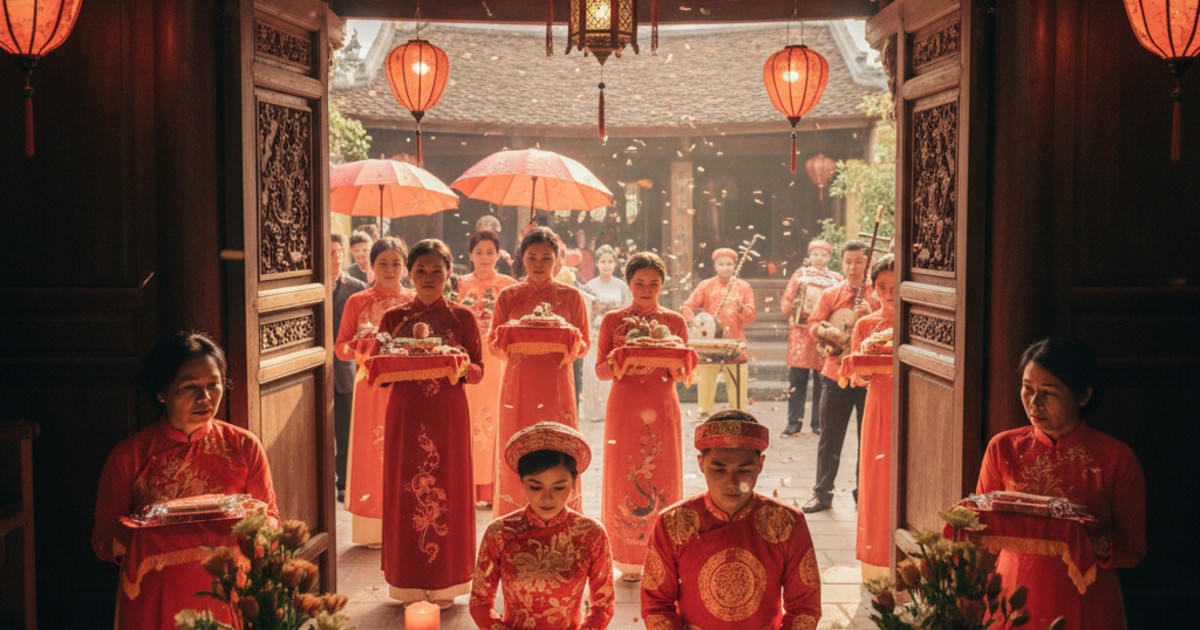
Vietnamese culture places immense value on family and tradition, and nowhere is this more evident than in its wedding customs. Unlike many Western weddings that often involve a single main event, a Vietnamese wedding is a multi-stage affair, carefully planned and executed to ensure blessings, prosperity, and harmony for the newlyweds. Each ceremony plays a vital role in formalizing the union and bringing two families together.
The Evolution of Vietnamese Wedding Rituals
Historically, Vietnamese wedding rituals were even more elaborate, sometimes spanning days or weeks. While modern life has streamlined some aspects, the core structure remains, emphasizing respect for elders, ancestral veneration, and the formal acceptance of the bride and groom into each other’s families. Understanding that a Vietnamese wedding consists of several ceremonies helps appreciate the depth of commitment involved.
The Engagement Ceremony Le An Hoi
The first significant event is the Engagement Ceremony, known as “Lễ Ăn Hỏi.” This is more than just a proposal; it is a formal request from the groom’s family to the bride’s family for her hand in marriage. It signifies the official engagement and sets the stage for the upcoming wedding. The gifts exchanged during this ceremony are highly symbolic and represent the groom’s family’s sincerity and ability to provide for the bride.
Symbolic Gifts and Their Meanings
During Le An Hoi, the groom’s family presents elaborately decorated trays filled with traditional gifts. These often include betel leaves and areca nuts, tea, cakes (like Bánh Phu Thê or Bánh Cốm), fruits, wine, and roasted suckling pig. Each item carries a specific meaning, symbolizing fertility, prosperity, and a sweet, lasting marriage. The number of trays is usually odd, as odd numbers are considered lucky in Vietnamese culture.
Attire for the Engagement Ceremony
For the Le An Hoi, both families dress in their finest traditional attire. The bride typically wears a beautiful Ao Dai, often in a vibrant color like red or pink, symbolizing luck and happiness. The groom may also wear a matching Ao Dai or a formal suit. This ceremony is a visual feast, reflecting the cultural pride and elegance of Vietnamese traditions.
The Procession to the Bride’s House Le Ruoc Dau
On the wedding day, before the main celebration, the “Lễ Rước Dâu” or the Procession to the Bride’s House takes place. This involves the groom and his family arriving at the bride’s home to formally escort her to his family’s residence or the wedding venue. This is a moment filled with anticipation and emotion, as the bride prepares to leave her childhood home.
The Formal Request and Acceptance
Upon arrival, the groom’s family once again presents gifts and formally asks the bride’s parents for their daughter. After a heartfelt exchange, the bride is then brought out, often by her mother, to join the procession. This emotional moment underscores the transition of the bride from her family’s care to her new marital home, illustrating how a Vietnamese wedding consists of several ceremonies, each with distinct roles.
The Tea Ceremony and Ancestor Worship Le Gia Tien
One of the most sacred and important parts of a Vietnamese wedding is the “Lễ Gia Tiên,” or the Tea Ceremony and Ancestor Worship. This ceremony can take place at the bride’s home, the groom’s home, or both, typically before the wedding reception. It is a profound ritual where the couple pays respect to their ancestors and seeks their blessings.
Honoring Ancestors and Seeking Blessings
During Le Gia Tien, the couple lights incense and bows before the ancestral altar, offering tea, fruit, and other symbolic items. They formally introduce themselves as a married couple to their ancestors, asking for protection, good fortune, and fertility. Following this, the couple serves tea to their parents and elders, who in turn offer advice, blessings, and often gifts of jewelry or money, symbolizing their acceptance and support.
The Significance of Family Unity
This ceremony powerfully emphasizes the importance of family lineage and the continuity of generations. It highlights that marriage in Vietnamese culture is not just a union of two individuals but a union of two families, deeply rooted in respect for those who came before. This is a core reason why a Vietnamese wedding consists of several ceremonies, each building upon the other to solidify family bonds.
The Wedding Reception Tiec Cuoi
After the more intimate and traditional ceremonies, the “Tiệc Cưới” or Wedding Reception is held. This is the grand celebration where family, friends, and colleagues gather to celebrate the newlyweds. While it shares some similarities with Western receptions, it retains distinct Vietnamese characteristics.
The Grand Entrance and Toasts
The couple makes a grand entrance, often changing into a Western-style wedding gown and a suit for the reception. There are speeches, toasts, and a multi-course meal featuring traditional Vietnamese dishes. The couple often goes around to each table to thank their guests personally, offering a toast. This interaction is a key part of Vietnamese hospitality and respect.
Modern Elements and Traditional Flavors
While modern Vietnamese weddings often incorporate elements like dancing, photo booths, and contemporary music, the essence of the Tiệc Cưới remains rooted in celebrating the union with abundant food, drink, and fellowship. It is the culmination of the previous ceremonies, a joyous public declaration of their new status.
Conclusion A Journey of Love and Tradition
In summary, understanding that a Vietnamese wedding consists of several ceremonies reveals a rich cultural narrative of love, respect, and family unity. From the formal engagement to the ancestral worship and the joyous reception, each step is imbued with deep meaning, creating an unforgettable experience for the couple and their loved ones. These traditions ensure that the marriage begins on a foundation of blessings, honor, and deep-rooted cultural values.
Contact Cees Bridal
Hotline/Zalo: +84 378 220 630
Website: https://ceesbridal.com/
Fanpage: https://www.facebook.com/CeesBridal/
Address: 16/8 Dang Van Ngu, Phu Nhuan District, Ho Chi Minh City, Vietnam
For a truly personalized and exquisite wedding dress that perfectly complements the beauty of your traditional Vietnamese wedding ceremonies, choose custom design and tailoring at Cees Bridal. Our process begins with a detailed consultation where we help you select the ideal design. We then provide a transparent quotation and proceed with a deposit. For our international clients, simply send us your precise measurements. We meticulously craft your gown according to your specifications and conduct video calls for your inspection and approval. Once satisfied, complete the payment, and your dream dress will be shipped directly to you, ready for your special day.
