
Understanding how does a Vietnamese wedding work offers a fascinating glimpse into rich cultural traditions and deep-rooted family values. A Vietnamese wedding is far more than just a ceremony; it is a series of meaningful rituals that celebrate love, respect, and the joining of two families.
Understanding the Core of a Vietnamese Wedding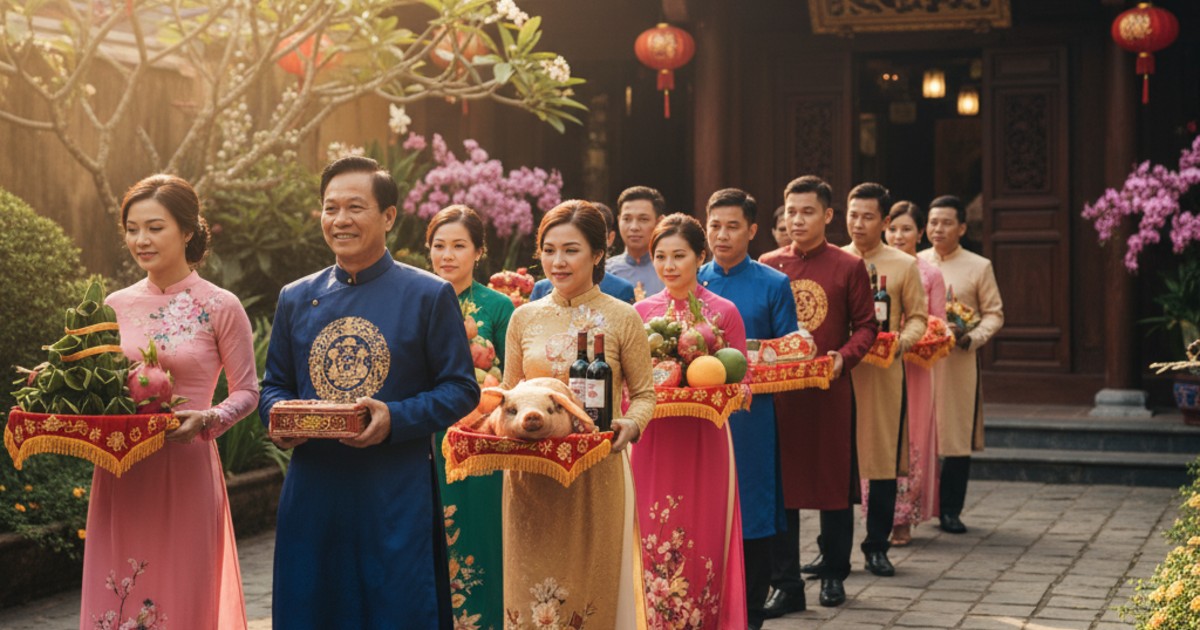
Vietnamese weddings are renowned for their beauty, symbolism, and adherence to ancient customs. While modern influences have introduced some changes, the essence of a traditional Vietnamese wedding remains strong. These ceremonies are deeply spiritual, emphasizing blessings from ancestors and the importance of family unity. When considering how does a Vietnamese wedding work, it is crucial to recognize the blend of historical rites with contemporary celebrations.
The Significance of Family in Vietnamese Marriage
Family plays an indispensable role in a Vietnamese wedding. Unlike Western individualistic approaches, Vietnamese marriage is often seen as the union of two families, not just two individuals. Parental approval and involvement are paramount, and the ceremonies are designed to honor elders and ancestors, ensuring their blessings for the couple’s future.
The Engagement Ceremony Le Dinh Hon
Before the grand wedding day, a significant event known as Le Dinh Hon, or the engagement ceremony, takes place. This is a formal announcement of the couple’s intention to marry and is often considered the first official step in understanding how does a Vietnamese wedding work traditionally. The groom’s family visits the bride’s home, bringing elaborate gifts.
Gifts and Offerings During Le Dinh Hon
During Le Dinh Hon, the groom’s family presents a procession of gifts, often carried in lacquered boxes. These gifts typically include betel leaves and areca nuts, fruits, cakes, wine, and roasted pig, symbolizing prosperity, fertility, and happiness. Each gift has a specific meaning and is presented with respect to the bride’s family, signifying the groom’s family’s sincerity and appreciation.
The Formal Acceptance
After the gifts are presented and accepted, the families exchange blessings and formalize the engagement. This ceremony solidifies the bond between the two families and sets the stage for the main wedding event. It is a time for both families to get to know each other better and discuss future wedding plans.
The Wedding Day Procession Le Don Dau
The actual wedding day begins with Le Don Dau, the groom’s procession to the bride’s house. This is a vibrant and highly anticipated part of how does a Vietnamese wedding work. The groom, accompanied by his family and friends, travels to the bride’s home to officially escort her to his family’s residence or the wedding venue.
Groom’s Entourage and Attire
The groom’s procession is a colorful display, often featuring traditional music and a formal parade. The groom and his male entourage are typically dressed in traditional Ao Dai or formal suits. Upon arrival, they are greeted by the bride’s family, and another exchange of gifts and blessings takes place, emphasizing respect and goodwill.
Escorting the Bride
After the initial greetings and rituals at the bride’s home, the bride, often dressed in a stunning traditional Ao Dai, is formally presented. She then joins the groom’s procession to travel to the wedding venue or the groom’s family home, marking her official departure from her maiden home.
The Tea Ceremony and Ancestor Veneration
Central to how does a Vietnamese wedding work is the revered tea ceremony, or Le Gia Tien, and the veneration of ancestors. This deeply spiritual segment often takes place at both the bride’s and groom’s homes, or at the main wedding venue, bringing families together in a moment of solemn respect.
Honoring Ancestors
During the tea ceremony, the couple lights incense and bows before the ancestral altar, asking for blessings for their marriage. This act signifies their respect for their heritage and their commitment to upholding family values. Family elders, typically parents and grandparents, are also honored with tea, symbolizing gratitude and respect.
Exchange of Rings and Vows
Following the ancestral veneration, the couple exchanges rings and sometimes vows in front of their families. This intimate moment is a public declaration of their commitment to each other, witnessed and blessed by their closest relatives. Gifts of jewelry, often gold, are also presented to the bride by her family members, symbolizing good fortune and prosperity.
The Wedding Reception and Celebration
After the traditional ceremonies, the celebration moves to the wedding reception, which is often a grand affair. This is where the couple and their families host guests, sharing a meal and enjoying entertainment. The reception is a joyful culmination of how does a Vietnamese wedding work, blending tradition with modern festivities.
Feasting and Entertainment
Vietnamese wedding receptions are known for elaborate multi-course meals, often featuring traditional Vietnamese dishes. Guests enjoy music, performances, and sometimes games. The couple makes rounds to each table, greeting guests and receiving their well wishes. This interaction is a vital part of the celebration, allowing the couple to personally thank everyone for their presence.
The Wedding Cake and Toast
Like many weddings worldwide, a Vietnamese reception typically includes a wedding cake cutting ceremony and a champagne toast. These elements symbolize the couple’s sweet future together and are shared with all guests as a collective celebration of their union. The bride often changes into a Western-style white wedding dress for the reception, showcasing a blend of cultural influences.
Modern Adaptations and Cees Bridal’s Role
While traditional customs are cherished, modern Vietnamese weddings often incorporate contemporary elements. Couples may choose to combine certain ceremonies or adapt them to fit their personal preferences and schedules. Understanding how does a Vietnamese wedding work today also means acknowledging these evolving trends.
Bridal Attire and Customization
The choice of bridal attire is a prime example of this blend. Many brides opt for the traditional Ao Dai for the morning ceremonies and a Western-style white wedding gown for the evening reception. This allows them to embrace both their cultural heritage and global fashion trends. Cees Bridal specializes in creating exquisite custom wedding dresses that perfectly blend tradition with modern elegance, ensuring every bride feels unique and beautiful on her special day.
Seamless Wedding Planning
Modern couples often seek professional assistance to navigate the complexities of wedding planning. From selecting the perfect venue to designing bespoke bridal wear, expert guidance can make the process smooth and enjoyable. Cees Bridal understands the nuances of Vietnamese weddings and offers personalized services to bring every bride’s vision to life, whether it’s a traditional Ao Dai or a contemporary gown.
Contact Cees Bridal
Hotline/Zalo: +84 378 220 630
Website: https://ceesbridal.com/
Fanpage: https://www.facebook.com/CeesBridal/
Address: 16/8 Dang Van Ngu Street, Phu Nhuan District, Ho Chi Minh City, Vietnam
Partner Website: sela.com.vn
Custom Wedding Dress Design at Cees Bridal and Our Process: Consultation for style selection, quotation, deposit payment, international clients send measurements to Cees Bridal, tailor-made according to measurements with video calls for client review, final payment and delivery.
