
When envisioning a cultural celebration, a Vietnamese wedding consists of several deeply rooted traditions and ceremonies that are both beautiful and meaningful. These events are not just about the couple but also about the union of two families, steeped in history and symbolic gestures.
The Rich Tapestry a Vietnamese Wedding Consists of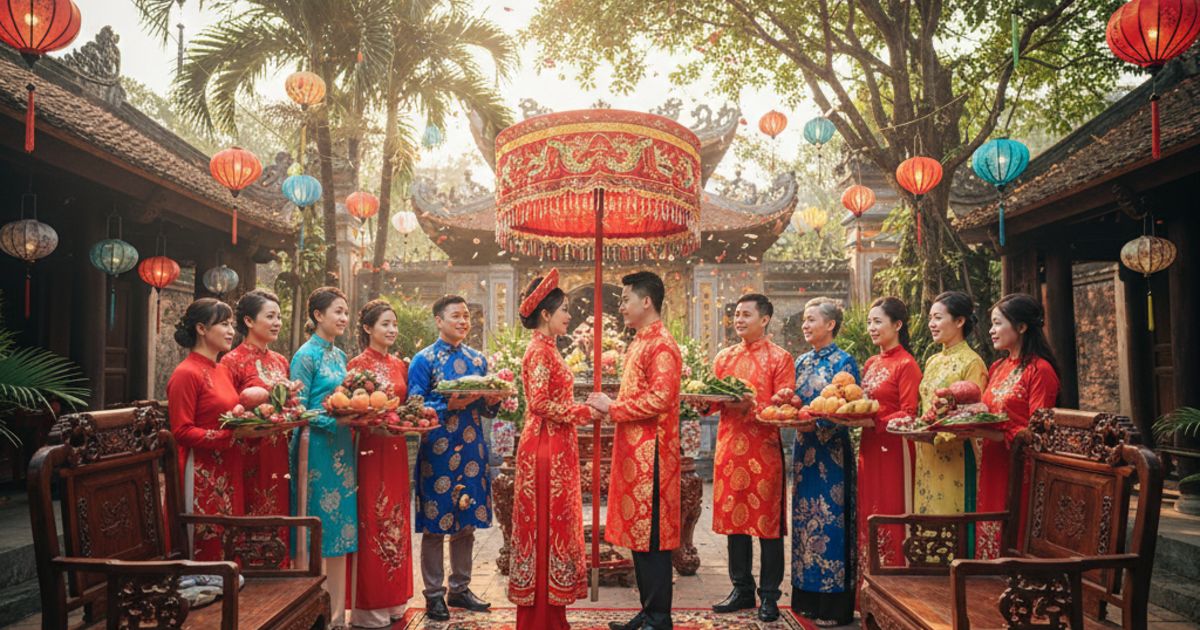
Vietnamese weddings are renowned for their vibrant colors, intricate rituals, and heartfelt customs. Far from a single event, a Vietnamese wedding is a complex series of ceremonies, each playing a vital role in honoring ancestors, uniting families, and blessing the couple’s future. Understanding these stages offers a deeper appreciation for the cultural significance of this special occasion.
A Blend of Culture and Tradition
Each step in a Vietnamese wedding ceremony is imbued with cultural significance, reflecting centuries of tradition. From the formal proposal to the joyous reception, these events celebrate love, family, and community. The ceremonies are designed to ensure harmony and prosperity for the newlyweds.
Key Elements of a Vietnamese Wedding
Typically, a Vietnamese wedding consists of several distinct parts, including the engagement ceremony, the procession to the bride’s house, the ancestor worship ceremony, and the wedding reception. Each part has its own specific customs and protocols that are meticulously followed.
The Engagement Ceremony Le An Hoi
The engagement ceremony, known as Lễ Ăn Hỏi, is a crucial pre-wedding event in Vietnamese culture. It formally announces the engagement and seeks blessings from both families. This ceremony is a formal request from the groom’s family for the bride’s hand in marriage and symbolizes the official acceptance of the union.
The Gift Presentation
During the Lễ Ăn Hỏi, the groom’s family brings an elaborate procession of lacquered boxes, filled with traditional gifts, to the bride’s home. These gifts typically include betel nuts and leaves, fruit, cakes, tea, wine, and jewelry, each symbolizing prosperity, fertility, and happiness. These gifts are presented to the bride’s family as a sign of respect and goodwill.
Family Introductions and Acceptance
The ceremony involves formal introductions between both families, speeches from representatives, and the official acceptance of the engagement. The bride and groom will then be presented to the ancestors at the bride’s altar, asking for their blessings. This is a significant moment where the families publicly acknowledge their new relationship.
The Traditional Wedding Procession Le Ruoc Dau
The Lễ Rước Dâu, or the wedding procession, is the event where the groom’s family officially brings the bride from her home to his. This procession is a beautiful display of tradition, often involving a decorated car or a more traditional palanquin, accompanied by family and friends.
Journey to the Bride’s Home
On the wedding day, the groom, accompanied by his family and a master of ceremonies, travels to the bride’s house. They carry a new set of gifts, similar to those presented during the engagement, but specifically for the wedding day rituals. The journey itself is a symbolic passage, marking the transition of the bride from her family to her new family.
Symbolic Entrance and Welcoming
Upon arrival, the groom’s family formally requests permission to enter the bride’s home. After a brief negotiation, the groom is allowed to enter and present a bouquet of flowers to his bride. This moment signifies the beginning of their journey together and their entrance into the next stage of the wedding ceremonies.
Honoring Ancestors and Family The Tea Ceremony
Central to a Vietnamese wedding is the tea ceremony, or Lễ Gia Tiên, which typically takes place at both the bride’s and groom’s homes. This ceremony is a profound expression of respect and gratitude towards ancestors and elders, a core value in Vietnamese culture. It reinforces the idea that a Vietnamese wedding consists of several acts of reverence.
Ancestor Worship Rituals
At the family altar, the couple lights incense and bows in respect to their ancestors, asking for blessings for their marriage. This ritual connects the couple to their heritage and ensures that their union is blessed by those who came before them. It is a very solemn and important part of the wedding day.
Tea Service and Parental Blessings
Following the ancestor worship, the couple serves tea to their parents, grandparents, and other elders from both families. In return, the elders offer blessings, advice, and often gifts of jewelry or money. This exchange symbolizes the passing of wisdom and acceptance of the couple into their new family roles.
The Festive Wedding Reception
The wedding reception is the grand culmination of the wedding celebrations, a joyous occasion where friends and extended family gather to celebrate the newlyweds. It is a festive affair filled with food, music, and entertainment.
Feasting and Entertainment
Guests are treated to a lavish meal, often featuring traditional Vietnamese dishes. There are usually performances, music, and sometimes games or dances. The atmosphere is one of celebration and happiness, with everyone sharing in the couple’s joy. The reception is a chance for the community to come together and honor the new couple.
Couple’s Greetings to Guests
During the reception, the bride and groom, often changing into multiple outfits, visit each table to greet their guests, thank them for coming, and toast to their health and happiness. This personal interaction is a cherished tradition, allowing the couple to connect with every person who has come to celebrate with them.
Modern Touches in Vietnamese Weddings
While tradition remains paramount, modern Vietnamese weddings often incorporate contemporary elements, blending the old with the new. Couples today seek to personalize their celebrations while still honoring their cultural heritage. This shows how a Vietnamese wedding consists of several adaptable practices.
Blending Old with New
Many couples choose to have a Western-style white wedding dress alongside traditional Vietnamese áo dài. They might also include modern music, unique decor, or international cuisine alongside traditional fare. This fusion allows couples to express their individuality while still respecting their roots.
Personalizing the Celebration
From choosing unique venues to incorporating personal touches into their vows or decor, modern couples are finding creative ways to make their wedding truly their own. These adaptations ensure that Vietnamese wedding traditions continue to evolve and remain relevant for future generations, creating a unique experience for everyone involved.
In conclusion, a Vietnamese wedding consists of several beautiful and meaningful ceremonies that honor family, ancestors, and the enduring bond of love. Each ritual, from the Lễ Ăn Hỏi to the grand reception, plays a vital role in creating a truly unforgettable celebration. These traditions, whether strictly followed or adapted with modern touches, reflect the rich cultural heritage of Vietnam and the deep significance placed on marriage.
Contact Cees Bridal Hotline/Zalo: +84 378 220 630 Website: https://ceesbridal.com/ Fanpage: https://www.facebook.com/CeesBridal/ Address: 16/8 Dang Van Ngu, Phu Nhuan District, Ho Chi Minh City, Vietnam
Cees Bridal specializes in crafting exquisite wedding dresses that honor the elegance of tradition while embracing modern style. Our designs are tailored to make every bride feel unique and radiant on her special day. We understand the importance of your wedding and are dedicated to providing a personalized experience. Our team ensures that every detail is perfect, reflecting your individual taste and the cultural significance of your celebration. Let us help you find or create the perfect gown that embodies the spirit of your Vietnamese wedding.
Discover custom wedding dress design at Cees Bridal. Our process includes: consultation for model selection, quotation, deposit payment, overseas customers sending measurements, sewing according to exact measurements with videocall inspection, and final payment upon delivery.
